Blog
Why L’Oréal’s CMO is betting on startups to keep the world’s biggest beauty brand ahead in innovation


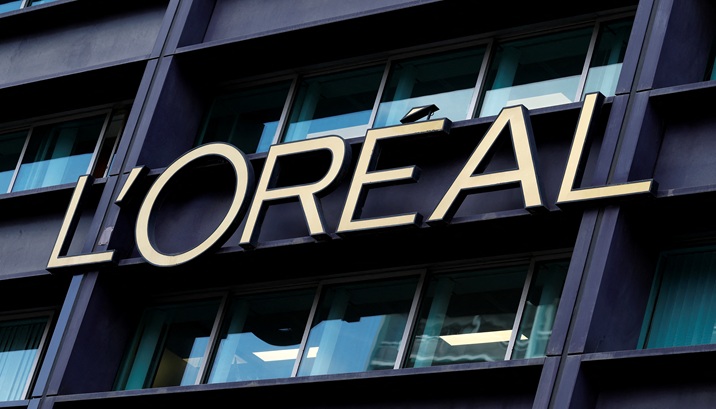
From virtual try-on experiences, to hyper-personalised recommendations, emerging technologies like AI are rapidly reshaping the beauty industry. One giant in the field that has a particular interest in staying at the forefront of this innovation is the world’s biggest beauty company by sales, L’Oréal.
Maintaining that leadership position means staying ahead of the curve. And at the heart of this innovation are startups, bringing the agility, experimentation, and speed that traditional R&D alone can’t deliver.
For the past two years, L’Oréal has been holding its Big Bang Beauty Tech Innovation Program in the SAPMENA region, designed to discover, support and nurture promising startups from across the
region with an opportunity to develop their pilots in beauty tech innovation.
The top Grand Finale winners receive a L’Oréal-funded commercial pilot opportunity and a year-long mentorship programme with senior executives from L’Oréal and the programme partners. Startups that run successful pilots in SAPMENA could gain access to L’Oréal’s global network, with the SAPMENA region acting as a launchpad to leverage valuable partnerships and market insights.
Campaign Asia-Pacific spoke with Lex Bradshaw-Zanger, L’Oréal chief marketing & digital officer, South Asia Pacific, Middle East & North Africa, to find out more about why the beauty giant is keen to partner with startups to stay ahead, how much AI and emerging technology is impacting sales, and balancing the focus on technology and innovation with the need for human oversight to remain competitive in the fast-evolving beauty landscape.
You recently held the Big Bang Beauty Tech Innovation Program grand finale in Singapore. What exactly is L’Oreal looking for in these startups, especially since beauty tech has been around a while now?
Lex Bradshaw-Zanger: Beauty tech means many things for us. It embodies how we integrate digital and data technology into our business, right from upstream scientific research in our labs to downstream marketing. Last year, we focused on media, marketing, and commerce, but this year we broadened it to include research and operations. We’re interested in new ideas that accelerate brand innovation and those founders or teams passionate about making a difference alongside our global beauty brands. We know it’s not easy for startups to work with a big corporate, so we’ve learned to create ways to build real partnerships.
Is one goal to identify missing capabilities in beauty tech that L’Oreal might eventually acquire?
Acquisition is always a possibility. For example, we acquired ModiFace, an AR/VR startup we first partnered with in 2018. They now provide services across many of our brands globally. But not everything leads to acquisition. Many partnerships focus on leveraging technology differently or more efficiently. We have venture funds and scouting programs to explore all these timelines, from pilots in local markets to scaling globally.
Do startups you partner with see a direct impact, like increased sales?
While I don’t have specific numbers, that’s definitely part of the plan. We commit to commercial pilots with them and provide mentorship across our global ecosystem, including partners like Google, Meta, and Accenture. We also help raise their visibility through PR and brand association. It’s designed as a win-win: startups get access and growth opportunities, and we gain fresh innovation. Some technologies, like AI-enabled dubbing, crowdsourced creative content, and TV-to-e-commerce integrations, are already enhancing marketing performance and consumer conversion.
How much of this is about marketing innovation?
Marketing today is about doing both simple things better at scale, with AI efficiency, and creating new excitement and relevance. These startups show both ends of the spectrum: increasing quality and scale in content production and pioneering innovative formats like direct TV integration.
How is AI changing product creation and personalisation at L’Oréal?
We were recently voted the most innovative AI company in Europe. AI helps us move beyond PowerPoint ideas to real enterprise-grade solutions across the value chain, from speeding product development and using molecular databases in partnership with IBM, to automating content production for e-commerce and creating personalised marketing briefs internally through our own AI ‘create tech’ platform. AI also helps sift and analyse consumer data for better insights. It’s human plus machine, boosting speed, efficiency, and sustainability.
What about human oversight versus automation? What ethical considerations do you uphold?
Human oversight is always essential. We haven’t moved to fully automated AI. For example, customer chats always have an option to switch to a human agent. We’ve committed to not creating AI-generated human images like hair or skin because we sell real products for real people. Transparency about AI use is key, as is our internal AI ethics board that reviews new products. As we enter this post-truth era, brand quality, reputation, and consistency become more important than ever.
How do you handle concerns in this ‘post-truth’ era about AI-generated content versus human authenticity?
We take responsibility seriously and are transparent about AI use. We don’t use AI to create deceptive images or content. Brand quality and trust will be paramount as consumers seek consistent, credible products and messaging.
Can you share some particularly exciting startups from your current program?
Sure. One is Halo AI from Dubai. They use AI to identify influencers and manage outreach in beauty advocacy. Another is an Indian startup called Without that transforms unrecyclable waste into recyclable material, aligning with our sustainability goals. Sravathi AI is also an Indian startup that works on bringing AI into upstream lab chemistry for product development. Heat Seeker out of Australia creates synthetic consumer data to gain insights when real-world testing isn’t feasible. Plus, Wubble out of Singapore uses AI to help real musicians produce bespoke brand music, which we could use in stores or ads. These examples cover a broad spectrum from sustainability to consumer insights and content creation.
What are common roadblocks when working with startups and how do you overcome them?
Complexities like legal, compliance, security issues in large corporations can be tough for startups. We create special frameworks and pilot projects to help startups navigate these. We also coach startups on adapting their pitches and understanding our specific needs. It’s about a mutually beneficial learning and growth process.
Why do so many startups (80%) struggle to scale, and how do you help close that gap?
Having a good idea isn’t enough. It needs to fit the right brand, product, market, and moment. We commit to pilots with selected startups to limit pitching and focus on action. During this, we help them refine their propositions and approach. It’s like tailoring a cover letter to a job, understanding what customers need and when.
Are you worried about nurturing future competitors by working with startups?
We believe it’s about adding capability to grow the category as a whole. We’re the number one beauty company and see it as our responsibility to lead innovation and ecosystem building. We don’t see startups working with us as direct competitors but as partners advancing the industry.
How do you see beauty tech and AI evolving in the future?
Three areas: First, AI in product creation—faster, smarter, sustainable processes. Second, AI changing brand-consumer interaction through virtual trials, skin analysis, and personalised e-commerce experiences. Third, AI driving efficiency internally across all functions, factories, labs, offices, with AI tools empowering our teams.
What are your hopes for the Big Bang Beauty Tech Innovation Program and how do you see it fostering innovation through partnerships with startups going forward?
Open innovation is a big focus for us. It’s about finding opportunities, partnering with startups, and mentoring them for mutual success beyond just one-off pilot deals. We are building a community to foster ongoing innovation across many markets and brands, supported by our accelerator based here in Paris.
What’s really important for me, I’ve said this many times, is creating a true win-win. It’s not just about paying a startup for a pilot with one brand; we offer 12 months of mentoring support. I personally get involved in three or four of those mentorships, where I meet the startups to share experience on working with our teams and to help with their pitch decks. We also connect them with our partners who can help them scale and grow. Our approach goes beyond just finding new technology, it’s about building lasting, collaborative relationships that enable startups to thrive and innovate alongside L’Oréal, creating benefits for both sides.
This story first appeared on Campaign Asia-Pacific.




 Beauty & Skin
 Fashion & Accessories
 Gadgets for Her
 Hair Care
 Lifestyle & Wellness