Blog
How Indian designers view the future of fashion in 2026


Fashion in 2026 is done chasing and ready to commit. After years of trend-hopping, loud logos, and blink-and-you ’ll-miss-it aesthetics, the industry is pressing pause and thinking long-term. This year, clothes are expected to work harder, last longer, and say more with less. Designers from the industry tell the trends that are going to be big this year.
The rise of quality and multipurpose dressing
For designer Nachiket Barve, the most important shift is the move toward quality-first, multipurpose clothing. “People are looking at longevity and considered purchases. The product has to be fantastic, and the thought and concept behind it has to be equally convincing when it comes to the quality,” he adds.
He also notes that individuals want clothes that they can use it multipurpose ways. “For example, a jacket can be worn separately and so can a lehenga; what matters is how you mix and match the outfit and put them together,” he adds.
The age swap
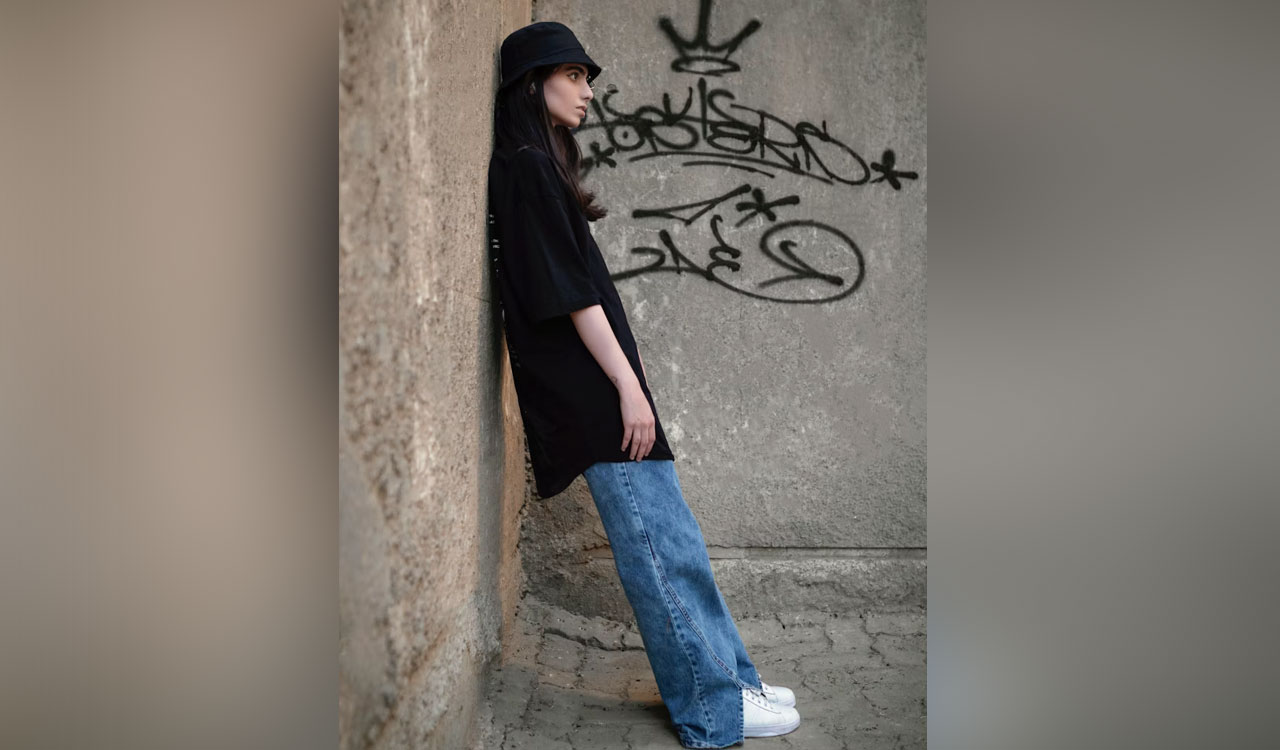
One of the most intriguing cultural shifts Nachiket points out is the age swap phenomenon. He says that he is saying a lot of experiementation taking place with people of different age groups who are choosing to buy their products. “We see older people choosing more fashionable garments, embracing colour, bolder silhouettes, and expressive details. Meanwhile, younger buyers, especially Gen Z, are leaning toward more conservative and traditional choices. They are more fond of classic cuts, neutral palettes, and reserved silhouettes,” he adds.
Digital fashion takes centre stage
The digitisation of the world is very prominent in today’s day and age, and this has affected the fashion industry as well. “Digital fashion and AI-enabled tools seem to be at the forefront, as brands are experimenting across social media and e-commerce, blending physical and virtual wardrobes,” notes designer Payal Jain, adding, “The fashion industry is moving toward season-less, gender-fluid, anti-fit, and versatile wardrobes, where timeless pieces build emotional resonance and long-term loyalty. Artisanal, story-led, slow fashion brands are increasingly being preferred over fast fashion despite higher costs and louder media presence, with a deeper shift in values rather than passing trends.”
Quiet luxury, Indian soul
Designer Shruti Sancheti frames 2026 as a year defined by restraint and grace. Since late 2025, the fashion industry has shifted away from loud branding and logo-heavy statements toward craft-led elegance. “I feel like Indian fashion, in particular, is gaining global confidence. For example, last year marked a defining moment, with elements like the Kolhapuri chappal finding their way into global couture, and that momentum is only set to grow.”
Even, Cloud Dancer, the colour of the year, she says, perfectly captures the mood of the year—calm, subtle, and enduring. “In a time when people are tired and seeking serenity, fashion in 2026 will be about restraint, refinement, and a return to grace. Less will truly be more,” she adds.
Silhouettes that carry forward
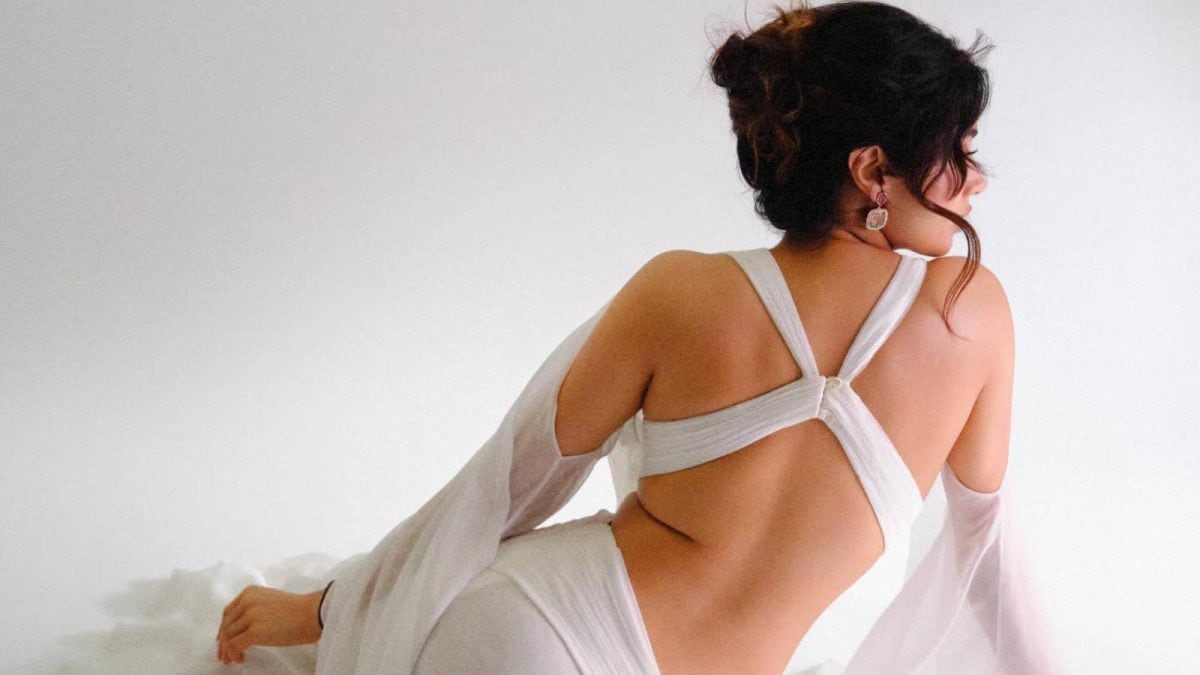
According to Rina Dhaka, 2026 will not abandon form; it will refine it. “I see a lot of bubble hems surfacing and being big this year. Even the big-shoulder jackets continue their reign, offering structure and authority,” she says.
In Indian wear, Rina notes a strong return of bright colours and A-line shapes, paired with the growing prominence of the concept of the sari, a form that allows designers to rethink draping, layering, and storytelling without discarding tradition. These silhouettes reflect continuity rather than disruption: evolution instead of erasure.






 Beauty & Skin
 Fashion & Accessories
 Gadgets for Her
 Hair Care
 Lifestyle & Wellness