
Blog
Dermatologists Warn: Follow These Skin And Hair Care Steps Before Playing Holi | Beauty News


Last Updated:
Dermatologists share essential pre- and post-Holi skincare and haircare tips to prevent dryness, irritation, pigmentation and colour damage.




With the right approach, it is possible to enjoy the festival fully while ensuring that the skin and hair remain healthy long after the colours fade.
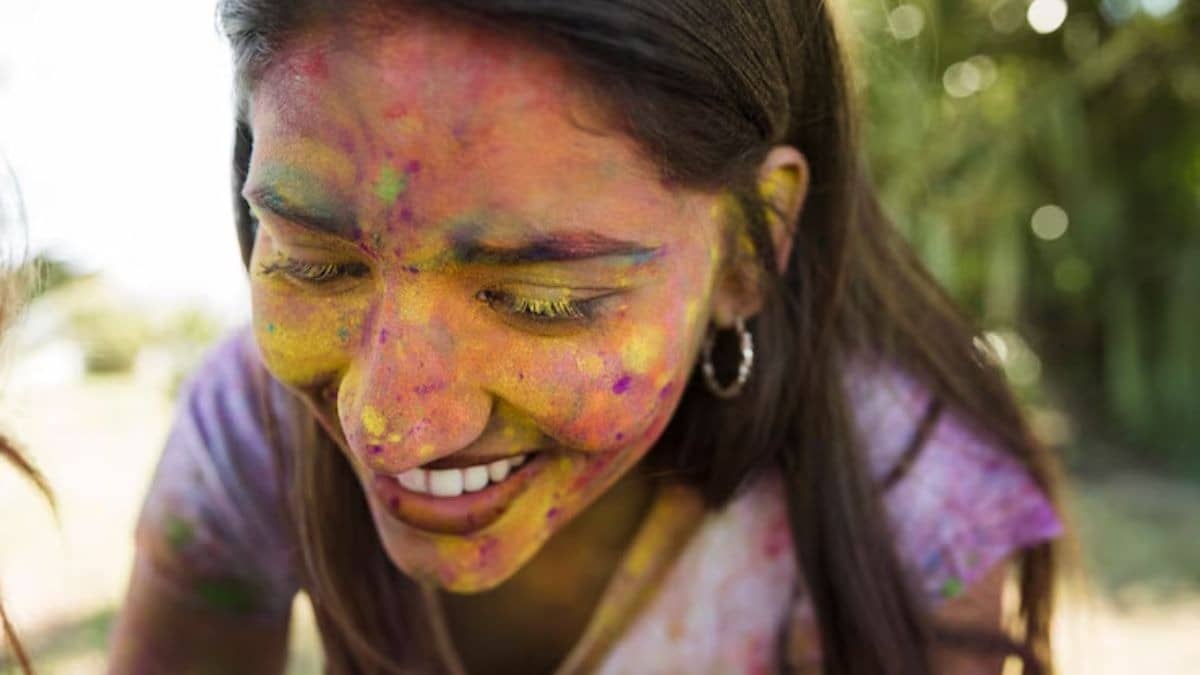
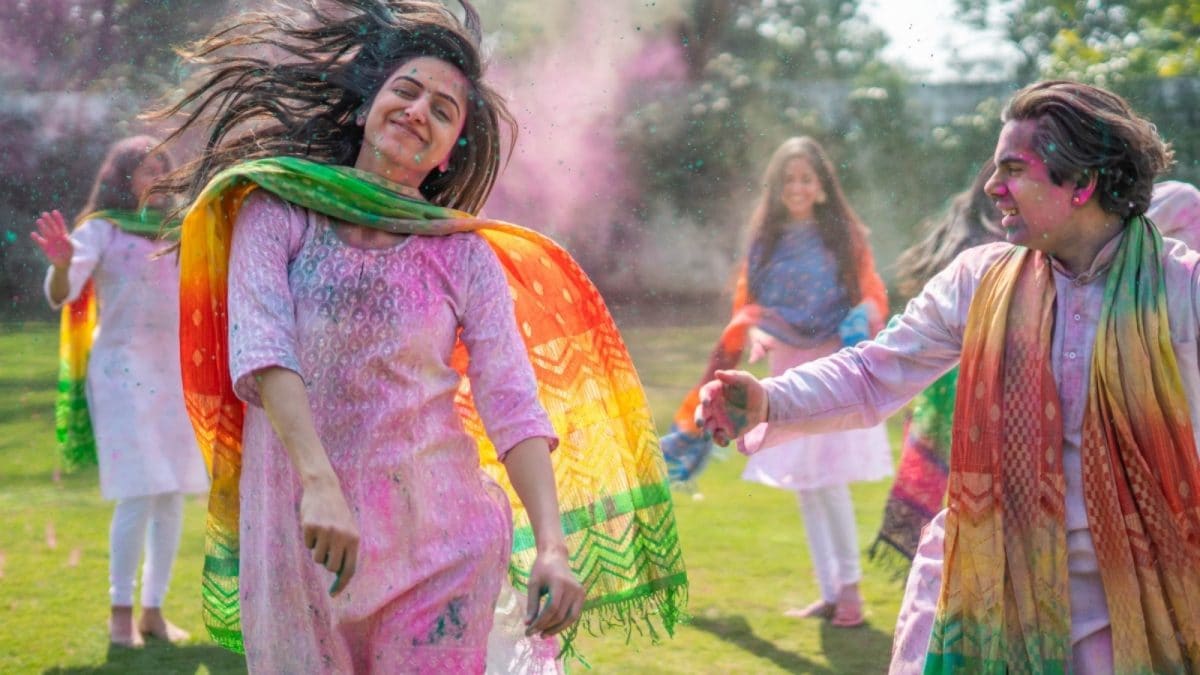
Holi may last a day, but its effects on the skin and hair can linger much longer. Synthetic colours, prolonged sun exposure, repeated washing and water contact can disrupt the skin barrier, trigger irritation and leave hair dry and brittle. Dermatologists say the key to avoiding post-Holi damage lies not in aggressive cleansing afterwards, but in careful preparation beforehand.
“Preventive care is far easier than treating post-Holi dermatitis, allergic reactions, or severe hair dryness,” says Dr Rashmi Aderao, dermatology consultant, Pune’s Ruby Hall Clinic. “A little preparation ensures the festival remains joyful, without unwanted skin and hair concerns.”
Strengthening the Skin Barrier Begins Days in Advance
Experts emphasise that pre-Holi skincare should ideally begin several days before the celebrations.
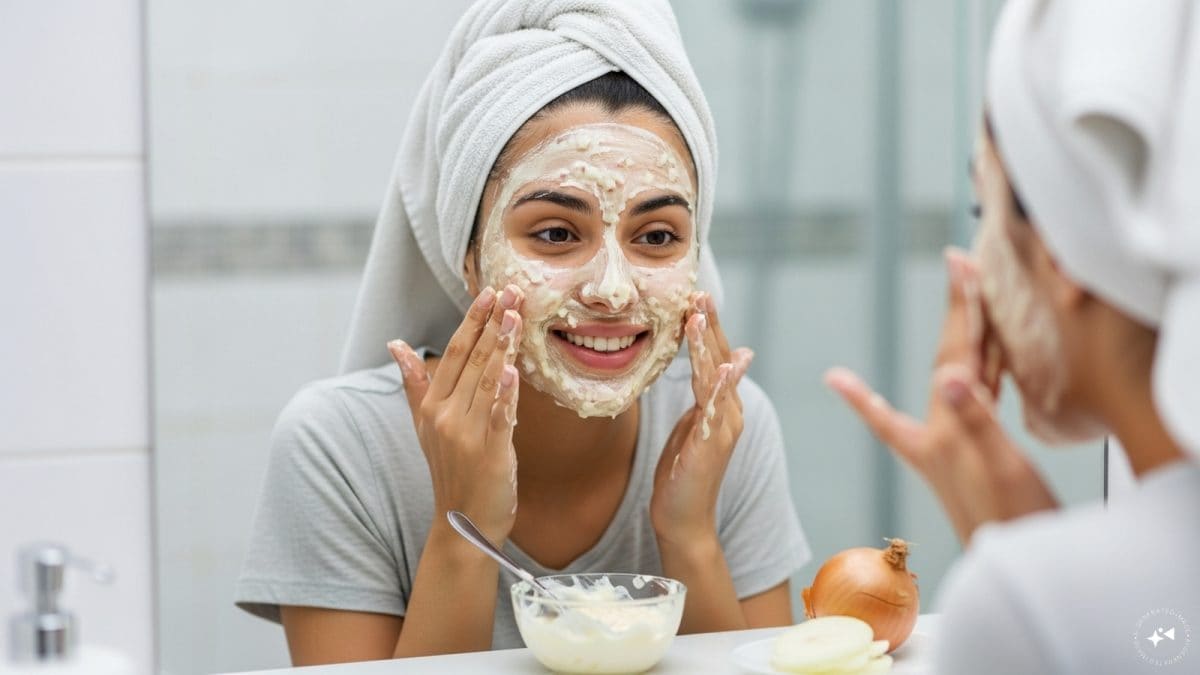
“Preparing your skin and hair before Holi is all about strengthening the natural barrier and preventing colour penetration,” explains Dr Saurabh Shah, Senior Clinical & Cosmetic Dermatologist and Dermatosurgeon, Saifee Hospital. He recommends starting three to four days in advance by focusing on hydration. “Apply a thick, nourishing moisturiser twice daily to reinforce the skin barrier,” he says.
Dr Gitika Sanodia, Consultant Dermatologist, Dr. L. H. Hiranandani Hospital, Powai, agrees that barrier repair is the foundation of protection. “Use a gentle cleanser, a regular ceramide-based moisturiser, and sunscreen daily,” she advises. She also cautions against introducing strong active ingredients just before the festival. “Avoid starting new actives such as retinoids or chemical peels, as they can increase sensitivity.”
This precaution is particularly important for people with acne-prone or sensitive skin. According to Dr Aderao, exfoliating acids, retinol and chemical treatments should be avoided at least two to three days before Holi to minimise irritation and staining risk.
Hydration, experts say, is not just topical. “Increase your water intake to support internal hydration and efficient temperature regulation,” Dr Shah adds, noting that Holi celebrations often involve sun exposure and physical activity.
The Day of Holi: Creating a Protective Barrier
On the day of the festival, the focus shifts to physically shielding the skin and hair from colour penetration.
“Begin with deep moisturisation,” says Dr Aderao. She recommends applying coconut or almond oil, or a water-resistant moisturiser, at least 30 to 45 minutes before stepping outdoors. “This creates a protective barrier that prevents colours from penetrating deeply into the skin and reduces excessive dryness.”
Dr Shah refers to this as the “barrier method.” He suggests applying oils generously to exposed areas, including often-missed spots like behind the ears, neck folds and between the fingers. Sunscreen, he emphasises, is equally critical. “Apply a water-resistant SPF 50+ sunscreen at least 20 to 30 minutes before stepping outdoors.”
Dr Sanodia reinforces the importance of sun protection, noting that prolonged UV exposure can worsen inflammation and pigmentation. She also recommends protecting smaller, vulnerable areas. “Protect lips with a hydrating lip balm and coat nails with clear nail polish to prevent staining,” she says.
Additional simple steps can make a significant difference. Applying petroleum jelly around cuticles and delicate areas helps prevent colour from settling, while wearing full-sleeved clothing adds a physical layer of protection.
Hair Care Is Just as Important
While skin damage is more visible, hair often suffers equally during Holi. “Oil your hair thoroughly, coconut oil works particularly well to reduce colour adherence and moisture loss,” says Dr Aderao. Tying hair into a braid or bun reduces surface exposure, and covering it with a scarf or hat offers further protection.
Dr. Shah also recommends using strengthening products before the festival. “Apply a leave-in conditioner if possible,” he suggests, noting that this helps maintain hydration and reduce frizz.
Dr. Sanodia adds that conditioning treatments in the days leading up to Holi can make hair more resilient. Keeping nails trimmed also prevents pigment deposition and accidental skin injury during colour play.
Post-Holi Care: Gentle Recovery Is Essential
What happens after Holi is just as important as preparation.
A common mistake, dermatologists warn, is aggressive scrubbing to remove stubborn colours.
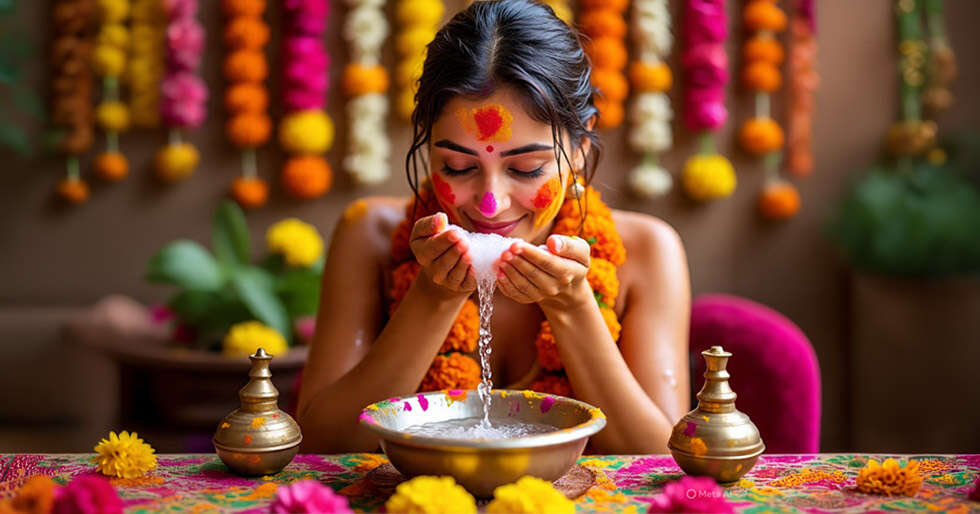
“Avoid rubbing the skin vigorously,” says Dr. Aderao. “This can cause micro-abrasions and worsen irritation.” Instead, she recommends using lukewarm water and a mild cleanser, followed by intense moisturisation.
Hair, too, needs restorative care. A nourishing hair mask helps replenish lost moisture and repair damage caused by sun exposure and colours.
Dr. Sanodia adds that overall recovery also depends on internal care. “Adequate hydration and an antioxidant-rich diet help reduce post-Holi inflammation,” she says.
Extra Precautions for Sensitive Individuals
People with pre-existing skin conditions need to be particularly careful. “Individuals with eczema, asthma, allergies, or sensitive skin should take extra precautions,” Dr. Sanodia advises. Choosing herbal colours, wearing protective clothing and avoiding peak sun hours can significantly reduce the risk of flare-ups.
Ultimately, dermatologists emphasise that Holi skincare is about preparation, protection and gentle recovery, not aggressive correction.
With the right approach, it is possible to enjoy the festival fully while ensuring that the skin and hair remain healthy long after the colours fade.
March 02, 2026, 16:20 IST










 Beauty & Skin
 Fashion & Accessories
 Gadgets for Her
 Hair Care
 Lifestyle & Wellness