Blog
Why Simpler Wellness Is Winning in Pop Culture

There’s something happening in the wellness world that feels different from the green juice cleanses and complicated supplement stacks of a decade ago. Walk into any coffee shop, scroll through social media, or listen to your favorite podcast, and you’ll notice a shift. People aren’t talking about extreme biohacking protocols or following 47-step morning routines anymore. Instead, the conversation has turned toward something much more accessible: simplicity.
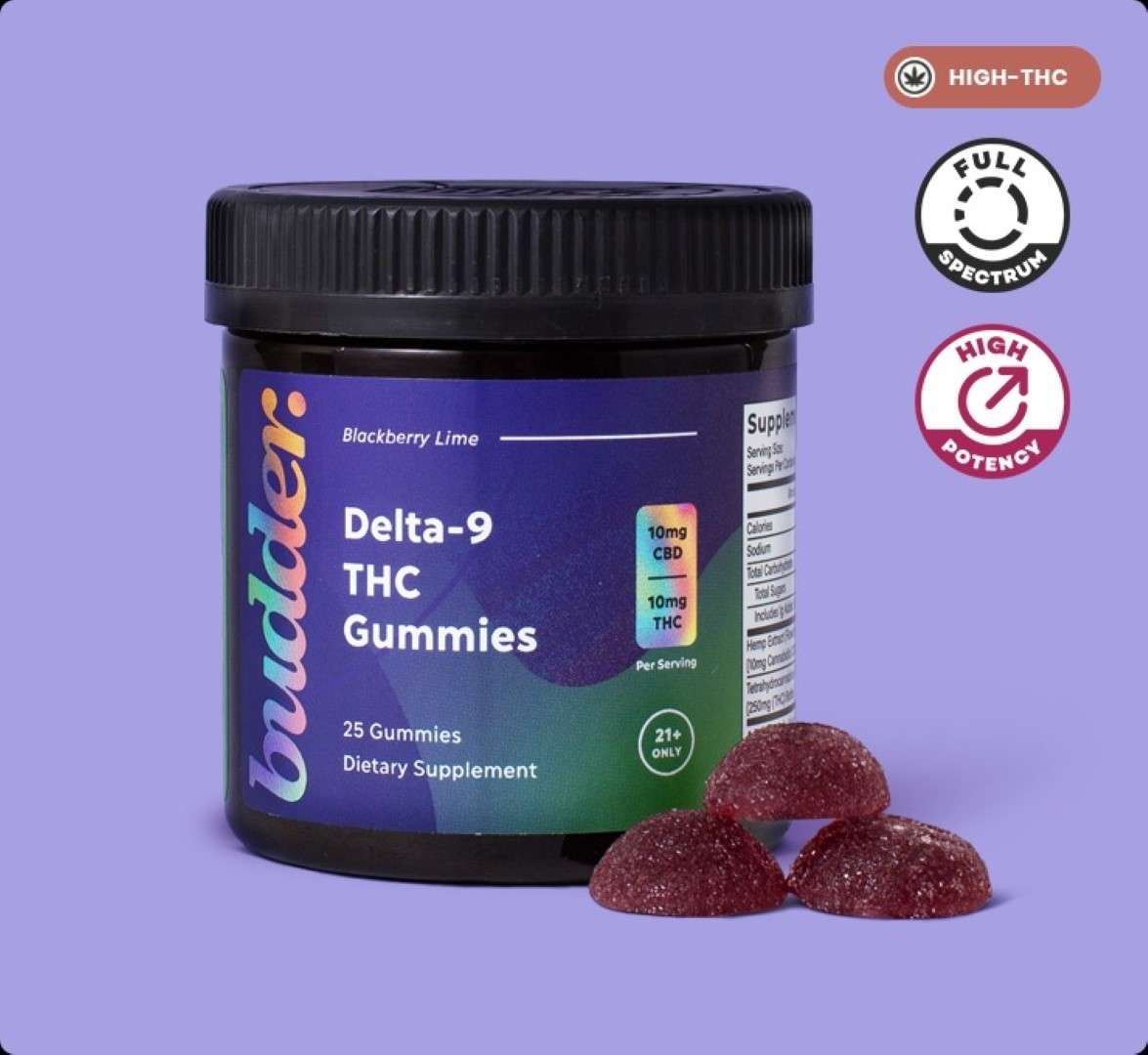
This isn’t about doing less because we’re lazy. It’s about recognizing that wellness doesn’t need to be complicated to be effective. Pop culture has caught onto this in a big way, and the results are reshaping how we think about taking care of ourselves. From celebrities openly discussing their scaled-back routines to influencers championing products like Joy Organics Delta-9 gummies as part of their evening wind-down, the message is clear. Simpler approaches to wellness are not just trendy, they’re becoming the new standard.
The Burnout from Wellness Overload
For years, the wellness industry sold us on the idea that optimal health required constant optimization. There were morning routines that started at 5 a.m., supplement regimens that needed their own spreadsheet, and fitness plans that demanded we track every macro and micro movement. The underlying message was that if you weren’t doing everything, you weren’t doing enough.
But here’s what actually happened: people got exhausted. The pursuit of wellness became another source of stress rather than a solution to it. When your self-care routine requires an hour of prep time and costs more than your grocery budget, something has gone wrong. The irony wasn’t lost on anyone. We were stressing ourselves out trying to destress.
Pop culture began reflecting this fatigue. Comedy sketches mocked the absurdity of 15-step skincare routines. Memes about complicated wellness trends went viral because they resonated with a shared experience of overwhelm. Celebrities started admitting that they didn’t actually follow half the routines their wellness brands promoted. The cracks in the “more is more” philosophy were showing, and people were ready for a change.
How Pop Culture Shifted the Narrative
The turning point came when influential voices started getting real about their own wellness practices. Instead of Instagram posts featuring elaborate setups and picture-perfect moments, we started seeing authenticity. A-list actors talked about how they simplified their routines when filming schedules got intense. Musicians shared that their pre-show rituals involved basic breathing exercises rather than complex protocols. Athletes mentioned incorporating straightforward recovery methods into their training.
This honesty created permission for everyone else to simplify too. If people at the top of their fields weren’t following complicated routines, maybe the rest of us didn’t need to either. Pop culture has always had this power to normalize behaviors and shift perspectives, and in this case, it used that influence to validate a more intuitive approach to wellness.
Television shows and movies started featuring characters who practiced wellness in realistic ways. Instead of the stereotypical yoga instructor who only ate raw foods and meditated for three hours daily, we saw regular people integrating small, manageable practices into messy, real lives. This representation mattered because it made wellness feel achievable rather than aspirational to the point of impossibility.
Social media played a role too, but in a different way than before. The algorithm-driven pressure to showcase perfect wellness routines began giving way to content that celebrated simplicity. Videos about “lazy girl wellness” or “low-effort self-care” racked up millions of views. People were hungry for permission to do less, and content creators who provided that permission found massive audiences.
The Rise of Single-Focus Wellness Products
As the cultural conversation shifted toward simplicity, the products that gained traction reflected this change. Instead of elaborate systems that required multiple components, single-focus items started dominating the market. The appeal was obvious: one product, one purpose, minimal fuss.
This is where hemp-derived wellness products found their moment. Items that could be incorporated into existing routines without requiring major lifestyle overhauls became incredibly popular. A gummy that someone could take in the evening as part of winding down? That fit perfectly into the simplicity movement. No mixing powders, no complicated timing protocols, no need to rearrange your entire schedule.
The accessibility factor can’t be overstated. When wellness products require extensive research, consultation, or lifestyle changes, they create barriers. But when something fits seamlessly into what you’re already doing, adoption becomes natural. This is partly why products from brands focused on straightforward options gained such rapid acceptance in mainstream culture.
Musicians started mentioning their simplified wellness approaches in interviews. Actors discussed how they maintained balance during demanding shoots without complex interventions. These weren’t paid endorsements in most cases. They were genuine reflections of a broader cultural shift toward uncomplicated self-care. When someone with a packed schedule finds value in simple solutions, it resonates with everyone else juggling their own responsibilities.
Why Transparency Became Non-Negotiable
Another major factor in the simplicity movement has been the demand for transparency. People got tired of products with endless ingredient lists full of things they couldn’t pronounce or understand. The wellness industry had conditioned consumers to think that “more ingredients equals better results,” but that assumption started crumbling.
Pop culture amplified this skepticism. Investigative pieces about misleading wellness claims went viral. Documentaries exposed how certain “miracle” products were mostly marketing with little substance behind them. The backlash created a hunger for honesty and straightforwardness.
Brands that responded by offering clear information about their products, including third-party testing and transparent sourcing, found themselves rewarded with customer loyalty. This wasn’t just about listing ingredients. It was about explaining what those ingredients do (or in the case of hemp products, what they support) in plain language that didn’t require a science degree to understand.
The cultural shift toward valuing transparency over complexity meant that simpler products with clear purposes had an advantage. When a product does one thing well and can explain that clearly, it builds trust faster than something claiming to solve seventeen problems at once.
The Influence of Minimalism on Wellness Culture
The broader minimalism movement that swept through pop culture over the past decade set the stage for simpler wellness. As people decluttered their homes and simplified their wardrobes, it was only natural that this philosophy would extend to self-care. Why would someone with a capsule wardrobe want a bathroom cabinet overflowing with dozens of products?
Minimalism taught people to question whether they actually needed everything they owned or if accumulation had become automatic. Applied to wellness, this meant asking whether every supplement, gadget, and routine was truly serving a purpose or just creating clutter: physical and mental.
Pop culture celebrated this shift through various channels. Books about minimalist living became bestsellers. Netflix documentaries about decluttering sparked global conversations. Influencers who practiced “simple living” attracted massive followings. The aesthetic and philosophy of “less but better” permeated everything from fashion to food to, inevitably, wellness.
This cultural backdrop created fertile ground for wellness approaches that aligned with minimalist values. Products that did their job without requiring additional purchases or complicated systems fit perfectly into this worldview. A single item that someone could incorporate into their evening routine without needing to buy five other things to make it work? That’s minimalism applied to self-care.
The Role of Accessibility in Mainstream Adoption
Simpler wellness won in pop culture partly because it’s accessible to more people. Not everyone can afford expensive wellness retreats or monthly deliveries of specialized supplements. Not everyone has the time for hour-long elaborate routines. When wellness becomes the domain of only those with abundant resources, it loses its universal appeal.
Pop culture thrives on relatability. The trends that gain the widest traction are those that the most people can actually participate in. This is why simpler wellness approaches spread so effectively. They don’t require special circumstances or significant financial investment.
Consider the difference between a wellness routine that demands specific equipment, scheduled classes, and ongoing expensive purchases versus one that involves adding a simple product like Joy Organics gummies to your existing evening routine. The barrier to entry is completely different. One requires planning, budget adjustments, and lifestyle changes. The other requires opening a bottle.
This accessibility also means that simpler wellness is more sustainable long-term. Complicated routines might work for a few weeks or months, but they’re hard to maintain when life gets busy or circumstances change. Simple practices that fit into the rhythms of daily life are far more likely to become genuine habits rather than abandoned resolutions.
Celebrity Influence and Authentic Endorsements
Celebrities have always influenced wellness trends, but their role in the simplicity movement has been particularly significant. In the past, celebrity wellness routines were often aspirational to the point of being absurd. Think personal chefs, private trainers, and access to treatments that cost more than most people’s monthly rent.
But as the cultural conversation shifted, so did celebrity sharing. Stars began talking about the simpler practices that actually fit into their real lives, especially when traveling or working long hours. They mentioned basic routines, accessible products, and realistic approaches that their fans could actually replicate.
This authenticity mattered enormously. When a celebrity admits that they don’t follow the complicated routine their brand technically promotes, or when they share that their actual daily practice is surprisingly simple, it validates everyone else’s desire for uncomplicated wellness. It also makes the celebrity seem more relatable and genuine, which audiences appreciate.
The endorsements that resonated most weren’t the polished, obviously paid promotions. They were the casual mentions, the products visible in the background of social media posts, the offhand comments in interviews about what someone actually uses. This organic integration into pop culture narratives proved far more powerful than traditional advertising.
The Science of Simple
Interestingly, the shift toward simpler wellness aligns with what research has long suggested about behavior change and habit formation. Complex interventions are harder to maintain. The more steps something requires, the more opportunities there are to skip it or quit entirely. Simplicity, from a behavioral science perspective, increases the likelihood of consistency.
Pop culture doesn’t usually lead with scientific research, but in this case, the cultural intuition aligned with evidence-based practice. People didn’t need studies to tell them that simpler routines were easier to stick with, they knew it from experience. But the fact that science supported this approach added legitimacy to the trend.
This convergence of cultural preference and scientific backing created powerful momentum. Wellness approaches that were both simple and supportable by evidence had advantages on multiple fronts. They felt better to incorporate into daily life, and they also withstood scrutiny from those who questioned whether simplified approaches could actually be effective.
The endocannabinoid system, for example, represents an area where scientific understanding has grown significantly. While we can’t make specific claims about what hemp-derived products do, the existence of this biological system and its role in maintaining various bodily functions is well-established. This scientific foundation supports the use of hemp-derived wellness products as part of a broader approach to supporting the body’s natural systems.
Digital Detox and the Simplicity Paradox
An interesting aspect of the simplicity movement in wellness has been its relationship with technology and social media. On one hand, social media helped spread the message about simpler approaches. On the other hand, digital overwhelm itself became something people wanted to simplify away from.
Pop culture began celebrating digital detoxes and “unplugged” time. The constant connectivity that smartphones enabled started feeling less like convenience and more like a burden. Wellness conversations increasingly included discussions about reducing screen time, setting boundaries with technology, and creating spaces in life that weren’t mediated by devices.
This created a paradox: people were using social media to share messages about using social media less. But the underlying message still resonated. Simpler wellness often meant disconnecting from the endless stream of content telling you what you should be doing and instead tuning into what actually felt right for your own body and life.
Products and practices that didn’t require apps, tracking, or digital engagement fit well into this aspect of simplified wellness. Something you could do without your phone, without logging data, without checking in or updating status. That simplicity itself became valuable. It represented freedom from the constant digital demands that characterize modern life.
The Sustainability Connection
The simplicity movement in wellness also connects to broader cultural concerns about sustainability. Complicated wellness routines often generate significant waste, including packaging from multiple products, single-use items, and shipping from various vendors. As environmental consciousness grew in pop culture, this wastefulness became increasingly uncomfortable.
Simpler approaches naturally tend to be more sustainable. Fewer products mean less packaging. Choosing quality over quantity often means items last longer. Streamlined routines reduce the overall consumption footprint of someone’s wellness practice.
Pop culture’s growing environmental awareness, particularly among younger generations, meant that sustainability became a factor in wellness choices. Products that aligned with both simplicity and environmental responsibility had a clear advantage. This wasn’t always about specific certifications or claims. It was about the basic math that fewer items with longer lifespans create less environmental impact.
Community and Shared Experience
Despite the emphasis on simplicity, the wellness movement hasn’t become isolated or individualistic. In fact, pop culture’s embrace of simpler approaches has created space for more authentic community connections around wellness.
When wellness was complicated and expensive, it created hierarchies. Those who could afford and access the most elaborate routines occupied one tier, while everyone else looked on from outside. But when wellness simplifies, more people can participate in the conversation. The shared experience becomes less about comparing elaborate routines and more about supporting each other in sustainable practices.
Social media communities formed around realistic wellness approaches. People shared what actually worked in their lives, not what looked impressive or aspirational. This created more honest conversations and more useful support networks. The vulnerability of admitting that you don’t have it all figured out became more culturally acceptable than pretending to follow perfect routines.
Pop culture celebrated this shift through various media. Podcasts featured real conversations about sustainable wellness rather than interviews with people promoting unrealistic ideals. Television shows portrayed characters struggling with and simplifying their approaches to self-care. The narrative changed from “look how much I’m doing” to “here’s what actually fits into real life.”
Looking Forward
The embrace of simpler wellness in pop culture doesn’t seem like a passing trend. It represents a meaningful correction to years of escalating complexity and overwhelm. As people continue to navigate busy lives, economic uncertainty, and ongoing global challenges, the appeal of straightforward, accessible approaches to supporting wellbeing will likely persist.
What we’re seeing isn’t a rejection of wellness itself. It’s a refinement of how wellness fits into actual human lives. Pop culture has helped normalize the idea that taking care of yourself doesn’t require perfection, extreme dedication, or significant resources. It requires finding what works and sticking with it, even if that looks much simpler than what wellness magazines might suggest.
The products and practices that continue to gain traction will probably be those that honor this reality. Complicated solutions that promise everything might grab attention temporarily, but simple options that deliver consistent support tend to build lasting relationships with users. This is why straightforward hemp-derived options have found such a solid footing in mainstream wellness culture; they fit the moment we’re in.
As pop culture continues to evolve, the simplicity movement in wellness seems positioned to deepen rather than disappear. The lessons learned about sustainability, accessibility, authenticity, and effectiveness will likely shape wellness conversations for years to come. And that’s probably good news for anyone who’s ever felt exhausted by the demand to do more, buy more, and optimize more in the name of health.
Simple wellness won in pop culture because it deserved to win. It worked better for more people. It felt more honest. It fit into real lives. And sometimes, the best solution really is the simplest one.



 Beauty & Skin
 Fashion & Accessories
 Gadgets for Her
 Hair Care
 Lifestyle & Wellness